Column
media

media
column
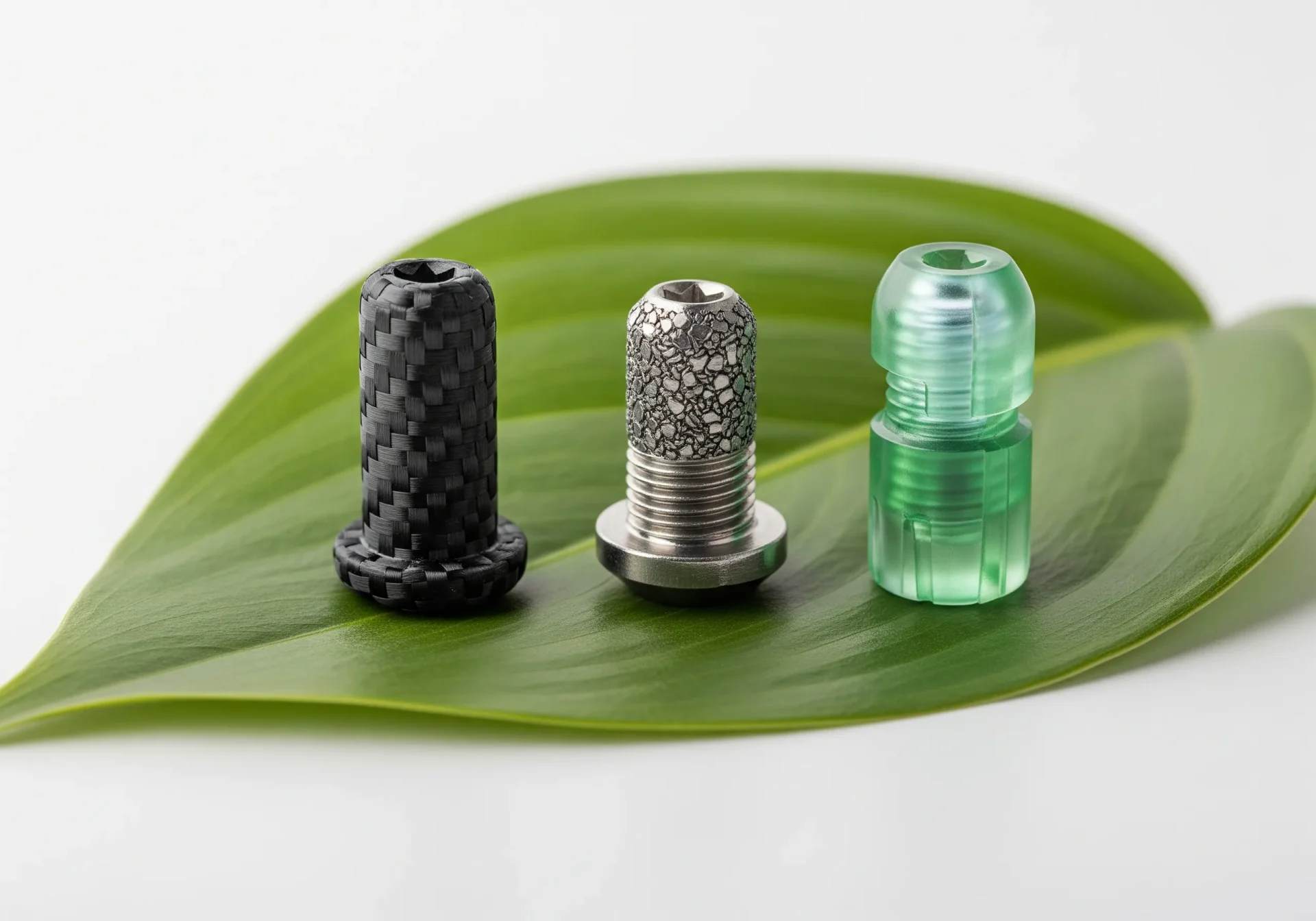
Carbon neutrality is a central concept in global efforts to combat climate change and realize a resource-circulating society. In the manufacturing industry, it is necessary not only to save energy and utilize renewable energy in one’s own factories but also to be conscious of reducing CO2 emissions and environmental impact starting from the component material selection stage. Even for small parts like screws, their immense production and usage volumes mean that the choice of materials and manufacturing methods has a direct impact on reducing Scope 3 emissions and on corporate ESG evaluations.
This article is for design and procurement managers, quality controllers, and management personnel promoting environmental initiatives in the manufacturing industry. It introduces the types of screw materials suitable for the era of carbon neutrality and how to select them. While incorporating related keywords such as “environmentally friendly screws” and “sustainability parts,” this guide will explain practical points based on the latest technological trends and specific case studies.
Carbon neutrality is the concept of balancing greenhouse gas emissions with absorption to achieve net-zero emissions. It is widely promoted internationally through initiatives like the COP conferences, ESG investment, and the achievement of SDGs, making it an unavoidable issue for the manufacturing industry. Particularly within Scope 3 (indirect emissions including procurement, logistics, use, and disposal), component procurement accounts for a large proportion. Even with small screws, the choice of materials and processing methods can significantly contribute to reducing environmental impact.
(1) Carbon Materials
Carbon Fiber Reinforced Plastics (CFPR/CVB) are lightweight yet possess strength comparable to iron, and they also have excellent corrosion and chemical resistance. In particular, molding technology that retains long fibers has overcome the conventional challenge of insufficient strength. Their adoption is advancing in fields requiring high performance, such as electric vehicles, aircraft, and medical equipment.
(2) Recycled Metals and Alloys
Utilizing iron scrap and recycled aluminum materials can significantly reduce energy consumption and CO2 emissions compared to new mining and refining. Improvements in the quality of recycled materials have made them applicable for high-precision industrial uses.
(3) Biomass Resins and Environmentally Friendly Plastics
Plant-derived resins contribute to carbon neutrality by reducing dependence on petroleum and utilizing the plant growth stage as a CO2 absorption source. Additionally, PVC (vinyl chloride) is being re-evaluated as a material with low CO2 emissions over its entire lifecycle due to its high recyclability.
(4) Environmentally Friendly Surface Treatments
Trivalent chromium treatments and non-chromium-based treatments, which do not use hexavalent chromium, comply with RoHS regulations while ensuring corrosion resistance. High-corrosion-resistance plating extends product life, thereby reducing the environmental load from disposal and replacement.
Checklist for Material Selection
Advantages of Procurement in Vietnam OHTA Vietnam has the flexibility to handle high-mix, low-volume production and achieves reductions in transportation energy and delivery times through local procurement. There are numerous case studies of stable supply of environmentally friendly parts in overseas supply chains.
Case Study In an example where carbon screws were introduced for semiconductor manufacturing equipment, their high strength and lightweight properties were highly valued, contributing to the overall weight reduction and energy efficiency of the equipment. Furthermore, consolidating parts with Pact-Nuts reduced the number of transportation trips and packaging materials, leading to a direct reduction in CO2 emissions.
In the pursuit of carbon neutrality, the selection of screw materials holds significant meaning, even for small components. By considering the four evaluation axes presented in this article (performance, environment, cost, and standards) in a balanced manner, it is possible to reduce the environmental impact of the entire product and improve its sustainability. Furthermore, global procurement, including from Vietnam, expands the scope of environmental contribution by improving transport efficiency and production system flexibility. Moving forward, it will be necessary to continue research and development of next-generation materials such as recycled alloys, bio-resins, and long-fiber carbons, and to achieve both technological innovation and environmental compatibility.
For inquiries regarding samples or materials, please respond to this email or contact our sales representative!
At Ohta Vietnam, we not only provide ready-made products such as screws and bolts, but also support activities in the manufacturing field such as cutting, inspection, assembly, packaging…
Our equipment list is here
As a “specialized support” for the manufacturing industry in Asia. If you have any related questions, feel free to contact Ohta Vietnam for detailed support!
URL: https://ohtavn.com/en/contact/