Column
media

media
column
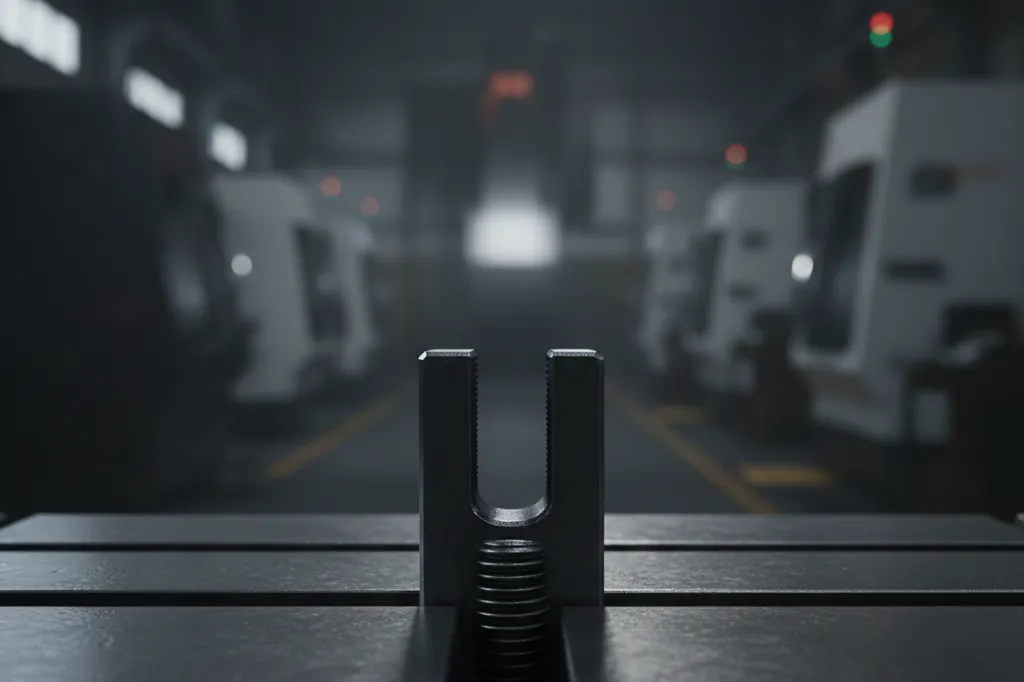
“T-bolts” are indispensable for fixing jigs and assembling aluminum frames at manufacturing and construction sites. As the name suggests, this bolt has a T-shaped head. While it looks like a simple shape at first glance, it is an important fastening part that significantly impacts equipment availability, worker safety, and even procurement costs. For many engineers and purchasing managers, T-bolts are such a familiar presence that there are surprisingly few opportunities to deeply consider the details of their standards, optimal selection criteria, or possibilities for cost reduction.
In this article, we will comprehensively explain everything from basic knowledge such as the fundamental definition and mechanism of T-bolts to proper use based on strength class and material, and even the latest procurement strategies utilizing Vietnam, incorporating the perspective of Ota Vietnam. We have condensed hints into content that can be read in just 3 minutes to improve daily operational efficiency and optimize procurement costs. As manufacturing professionals, let’s take the first step in “on-site improvement” by reviewing even a single fastening part from here.
The T-bolt (T-Slot Bolt / Hammer Head Bolt) is a special bolt with a head shaped like the letter “T”. This unique shape is designed to be inserted into “T-grooves (T-slots)” provided on machine tool tables and aluminum structural materials (aluminum frames).
Unlike general hex bolts, T-bolts can be inserted from any position in the groove and engaged (locked) with the groove wall by rotating them 90 degrees. This allows for firm fixation simply by tightening the nut. For example, when fixing a workpiece (object to be machined) on the bed of a machining center, the ability to flexibly adjust the position of clamp jigs is due to this functionality of the T-bolt.
While T-bolts are used in a wide range of fields, they are broadly used for the following two purposes.
Many T-bolts distributed in Japan comply with JIS standards (Japanese Industrial Standards) or DIN standards (German Institute for Standardization).
Material selection according to the environment determines the lifespan of the equipment.
Although T-bolts are small fastening components, they play an important role in various applications, including jig fixing on machine tools, aluminum frame assembly, workbenches, safety fences, and equipment systems inside factories. Selecting the right size, standard, material, strength class, and surface treatment not only ensures the stability of the fastening point but also contributes to stable equipment operation, improved workplace safety, and longer service life.
Especially for manufacturing companies that operate various types of machinery and have different technical requirements, T-bolt selection should not be based only on thread size or price. Factors such as T-slot dimensions, load conditions, operating environment, corrosion resistance requirements, and compatibility with existing equipment should also be considered comprehensively.
In addition to T-bolts, factories use many types of bolts, screws, and fastening components depending on their equipment, production lines, and actual manufacturing conditions. Selecting the right product from the beginning can help reduce assembly errors, prevent operational issues, and optimize procurement costs in the long term. If your company is looking for suitable solutions for bolts, screws, and fastening components, please contact OHTA Vietnam for consultation and support.
For inquiries regarding samples or materials, please respond to this email or contact our sales representative!
At Ohta Vietnam, we not only provide ready-made products such as screws and bolts, but also support activities in the manufacturing field such as cutting, inspection, assembly, packaging…
Our equipment list is here
As a “specialized support” for the manufacturing industry in Asia. If you have any related questions, feel free to contact Ohta Vietnam for detailed support!
URL: https://ohtavn.com/en/contact/